Your Own Batmobile in the City: Is it Possible?
- Written by: NewsServices.com
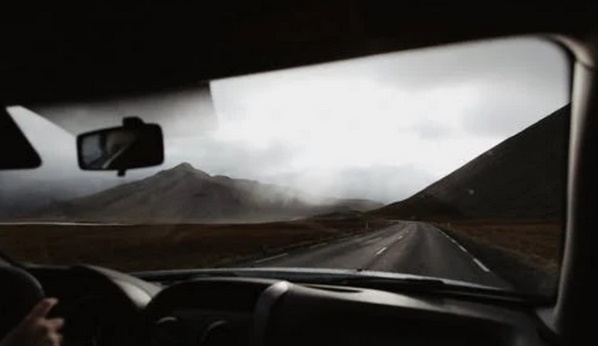
What do bats and submarines have in common? The smart answer is that they both use sound to get to where they are going. It is more interesting, however, to note why. Bats and submarines both have to deal with dark surroundings with limited vision, and at the same time, around them are many hostile elements that threaten their safety and survival.
SONAR (Sound Navigation and Ranging) has been one of the best leaps in sensory technology in years. The use of sound has helped us in marine navigation by enabling us to explore many previously unexplorable locations, conduct naval warfare, and determine the depth of water under vessels. But more and more uses for sound are being developed to apply the security and safety it provides to other aspects of life.
Safeguarding your vehicle through vibrations
Travelling by car in a city can be stressful and grueling, considering that the urban landscape can be hostile. Even with a navigation app, people still tend to get lost in corners due to GPS maps not being updated in real-time. To account for closures, collisions, and accidents, such maps have to rely on drivers and app users to input the data themselves, but some only prefer to benefit and not help the system.
Not to mention the fact that navigation apps do not warn you if a car is coming up in your blind spot or a speeding vehicle is on your way. Especially at night, where pedestrians and drivers alike are more likely to act recklessly and without regard for other people, one should exercise the highest degree of caution.
One could even say you're as blind as a bat when driving in a city. Luckily, sensory technology has found a way to apply the use of sound to offer real-time navigation guidance in travelling in the city.
VIDAR: Turning your car into your personal batmobile
The Vibration Detection and Ranging (VIDAR) Sensor Technology enables your car and you to pick up on information that cannot be seen easily and cannot be accounted for by GPS in real-time. It uses the interaction of sound against the network of fiber cables around the city to create a picture of static and moving elements and feeds you information on what to avoid, as well as where you can or cannot pass.
It's basically giving your car a sixth sense. It alerts your car whether another car is speeding or a pedestrian is moving too slowly while you're moving at 90 mph. Anticipating such objects and circumstances in real-time can mean life or death not just for you and your passengers, but other people as well. By basically giving your car sonar through a proprietary technology called FiberSense ACS sonar monitoring, VIDAR can literally turn your car into a batmobile.
The way of the future
VIDAR is revolutionizing urban travel by making transportation by car safer and drivers more responsive. It is not difficult to imagine VIDAR being an industry-standard in the near future or being required to be installed for both security and insurance purposes, especially if smart cars become more commercially available.
Whether one is driving a family car or a truck transporting goods, VIDAR's application of the FiberSense ACS monitoring technology ensures that while others may be driving recklessly, many will be driving more responsibly by acting responsively. VIDAR excites not just engineering enthusiasts but driving connoisseurs and investors worldwide. It's interesting to see where this wave of the future will take us in a matter of years.