Google AI
The Times Australia

Times Media Advertising

5 tips for business travel in Latin America

  • Written by: News Company


With over 600 million people and 20 countries, Latin America is as large as it is diverse. And while each country has its own unique customs and traditions when it comes to conducting business, there are a number of details you should take into account no matter what area of the region you are visiting. After all, a carefully planned journey can save you both time and money, and make your business trip more fun in the process. With this in mind, here are our five tips for making your next business trip in Latin America a success.

Check environmental conditions

Always check the weather forecast of your destination before departure, and dress appropriately. Also, keep in mind the altitude you will be working at once you land. Cities such as La Paz and Quito lie at high altitudes, which may take some time to adjust to (altitude sickness feels like something between jetlag and a hangover). As such, don’t arrange meetings for the day of your arrival and make sure you drink plenty of water.

Stock up on local currency

Generally, taxis and small corner stores in Latin America don’t take credit cards, so you will need to have some local currency right off the bat. While US dollars are used in some Latin American countries, such as Panama, in most cases you will have to change your money into the currency of the country you will be doing business. You can either do this in your home country or at the airport once you arrive at your destination. Do keep in mind that some money changers at airports have extortionate rates. It is also usually possible to withdraw money from an ATM at the airport after you land.

Carry an ID

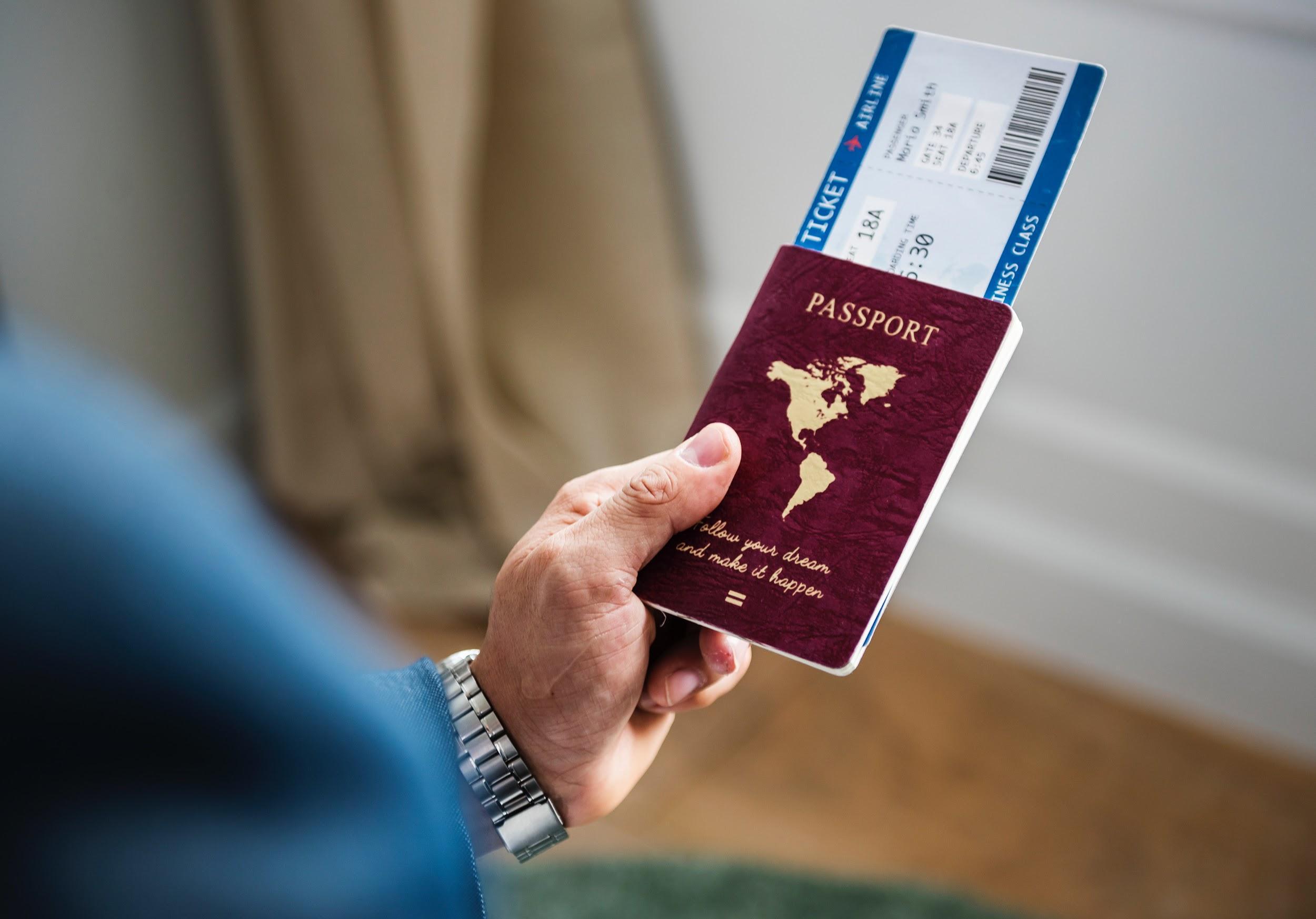
Both residents and travelers in Latin American countries are expected to carry an ID at all times. Make a photocopy of your passport prior to departure and carry that with you while you keep the original safe in the hotel safety deposit box. If your business trip requires you to visit official buildings, check if you are required to bring an official ID, advises Santiago Hernandez from MONEDEROSMART. While in most cases your driver’s license should be sufficient, in others you may be asked for your passport.

Build relationships

Personal and business lives of Latin Americans can be closely intertwined, so it pays to be build relationships with your business partners and clients. Latin Americans are sometimes not as direct as their counterparts from the United States. As such, being overly direct can be perceived as aggressive. It is also a good idea to avoid sensitive topics such as politics and religion. Also, keep in mind that not everybody in Latin America speaks English, particularly if you are dealing with technicians and salespeople.

Take your time

Meetings in Latin America often run over time, and it is impolite to cut your discussion with someone short because you have another commitment. This can make people late for other engagements. Traffic jams can also be a problem in some large Latin American cities, so do some research before arranging your meeting schedule. In addition, decisions in Latin America are usually not taken quickly, and the region’s staggering bureaucracy can impede business progress.


Property Times

Property Paralysis: Buyers Hesitate As Australia’s Housing Market Sends Mixed Signals

Australia’s property market may still be active, but beneath the auctions, listings and glossy real estate campaigns, a growing sense of uncertainty is spreading through the market. Buyers are hesitating.Sellers are confused.Banks are cautious but...

The Noise Around the 2026 Federal Budget Does Not Match the Reality for Most Property Investors

Every time the government changes the rules around property investment, the same thing happens. Phones ring, inboxes fill, and investors who have been quietly building wealth for years suddenly wonder if the ground has shifted beneath them. After t...

Budget Shockwaves: What the Federal Budget Means for Australia’s Property Market

Australia’s property market does not operate in isolation. Every federal budget sends signals to buyers, sellers, investors, developers, banks and renters about the direction of the economy, taxation, confidence and household spending. This year’s ...

Real Estate and the Federal Budget: Early Signs Emerging Across Australia’s Property Market

Australia’s federal budget has landed, and while economists, investors and political strategists continue dissecting its long-term implications, the property industry is already searching for early signs of where the market may be heading next. Re...

Food & Dining

Smart Supermarket Shopping: The Money-Saving Hacks Australians Are Rediscovering

Australians are becoming smarter supermarket shoppers. Rising grocery prices, higher mortgage repayments, expensive electricity bills and cost-of-living pressure have changed the way many households approach the weekly food shop. But contrary to p...

People Are Going Out Less — And Businesses Know It

Restaurants are full on some nights. Concerts still sell tickets. Sporting events attract crowds. Yet beneath the surface, many Australian businesses are quietly noticing a major social shift: people are going out less often. The reasons are obvi...

Lasagne Takes Centre Stage at Chiswick Woollahra This Winter

  This winter, Chiswick is launching a Lasagne Series, bringing together chefs from across the Solotel group, alongside acclaimed chef and restaurateur Matt Moran, for a nostalgic celebration of the much-loved baked pasta. Running every Sunday eveni...

Coral Trout Worth Travelling For: Lunch at The Rusty Pelican in 1770 Delivers Perfection

There are fish and chips, and then there are meals that remind Australians why fresh local seafood remains one of the country’s greatest culinary pleasures. A lunch stop today at The Rusty Pelican Cafe near the famous 1770 camping grounds in Centr...

Business Times

“People Are Spending Less”: Small Businesses Feel Australia’s Eco…

Sometimes the real state of the economy is not found in Treasury papers, Reserve Bank statements or political speeches. So...

Small Business Owners Say Confidence Is Falling Across Australia

Australia’s small business sector has long been described as the backbone of the national economy. From cafes and retailers...

Why Same-Day Flower Delivery in Melbourne Is Changing the Way Peo…

People are busier than ever today compared to three decades ago. Many children once remembered birthdays of their parents, ...

The Times Features

QLD Day

On Saturday 6 June, parkrun events across the state will be a sea of maroon, with communities  str...

NAGNATA: ‘FUTURE = FIBRE’ — Movement 21 at AFW 2026 …

Photography by Cesar OcampoOn Day 3 of Australian Fashion Week 2026, the energy at the runway shifte...

Flu Season in Australia: Why Health Authorities Are Tak…

As winter settles across Australia, so too does the annual flu season — a recurring health challen...

Smart Supermarket Shopping: The Money-Saving Hacks Aust…

Australians are becoming smarter supermarket shoppers. Rising grocery prices, higher mortgage rep...

Kmart’s Homewares Revolution: How a Discount Retailer B…

There was a time when many Australians viewed Kmart as the place to buy low-cost basics, school su...

“People Are Spending Less”: Small Businesses Feel Austr…

Sometimes the real state of the economy is not found in Treasury papers, Reserve Bank statements o...

The Arrival of Winter: More Than Just a Date on the Cal…

Winter arrives quietly in Australia. There is no dramatic wall of snow sweeping across the nation ...

The Blood Test That Could Change Colon Cancer Screening…

A simple blood test that may one day reduce the need for colonoscopies is generating enormous inte...

Recovering at Home After Surgery: The Role of Mobile Re…

Recovering from surgery can be both physically and emotionally challenging. Whether it is a joint ...