The Evolution of Retail: From Bricks and Mortar to Online — What’s Next?
- Written by: The Times
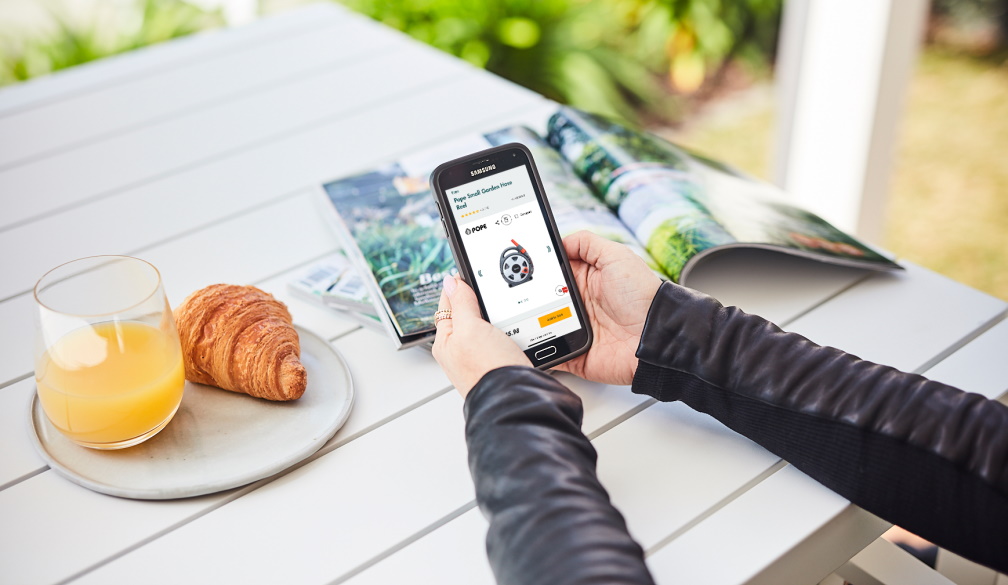
Retail has always been a mirror of society. As populations grew, cities formed, technology advanced, and lifestyles changed, the way people bought goods evolved alongside them. From dusty main streets and bustling shopping arcades to smartphones delivering products in hours, retail has undergone one of the most profound transformations of any industry.
Yet the story is far from over. The shift from bricks and mortar to online was not an ending—it was a pivot point. What comes next may redefine not just shopping, but how businesses relate to customers, communities, and culture itself.
1. The Age of Bricks and Mortar: Retail as Community Infrastructure
For most of modern history, retail was physical, local, and personal.
Shops were not just places of commerce; they were social anchors. Main streets supported grocers, butchers, bakers, tailors, chemists, bookshops, and hardware stores. Relationships mattered. Customers were known by name, credit was often informal, and reputation was everything.
Strengths of the Traditional Model
-
Human connection: Trust built through face-to-face interaction
-
Local loyalty: Communities supported their own
-
Tangible experience: Touch, smell, try, compare
-
Immediate gratification: Walk in, walk out with goods
Limitations
-
Restricted trading hours
-
Limited geographic reach
-
Higher overheads (rent, staffing, utilities)
-
Stock constrained by shelf space
As cities expanded after World War II, retail followed the population outward.
2. The Rise of Shopping Centres and Big-Box Retail
The second great retail evolution arrived with suburbanisation and car culture.
Shopping centres, malls, and big-box stores consolidated retail into centralised hubs. Convenience, scale, and efficiency became dominant forces.
What Changed
-
Chain stores replaced independents
-
Purchasing power shifted to national and global brands
-
Standardised pricing replaced negotiation
-
Marketing overtook personal relationships
This era created retail giants and delivered lower prices, but it also hollowed out many local high streets. The experience became efficient—but increasingly impersonal.
By the late 1990s, a new disruption was quietly forming.
3. The Online Retail Revolution
The internet did not just create a new sales channel—it changed consumer expectations forever.
Online retail removed geography, opening global markets to even the smallest sellers. Early adopters like Amazon redefined logistics and scale, while platforms such as Shopify democratised retail by allowing anyone to open a digital storefront.
Why Online Took Off
-
24/7 availability
-
Lower overheads
-
Endless “shelf space”
-
Price transparency
-
Home delivery convenience
The Smartphone Effect
Once shopping moved into pockets, retail became:
-
Instant
-
Habit-driven
-
Algorithm-led
-
Highly personalised
Retail was no longer a destination—it became an activity woven into daily life.
4. The Cost of Convenience
While online retail delivered efficiency, it also introduced unintended consequences.
For Businesses
-
Fierce price competition
-
Thin margins
-
Dependence on platforms and algorithms
-
Rising digital advertising costs
For Communities
-
Decline of main streets
-
Vacant shopfronts
-
Loss of local character
-
Reduced casual employment
For Consumers
-
Choice overload
-
Reduced brand loyalty
-
Less human interaction
-
Environmental costs of packaging and delivery
Retail had become frictionless—but also fragile.
This set the stage for the next phase.
5. The Hybrid Era: Online Meets Physical
Rather than replacing physical stores, online retail has forced them to evolve.
Today’s most resilient retailers blend digital convenience with physical experience.
Key Hybrid Strategies
-
Click-and-collect to drive foot traffic
-
Showrooming: fewer products, more storytelling
-
Pop-up stores for brand engagement
-
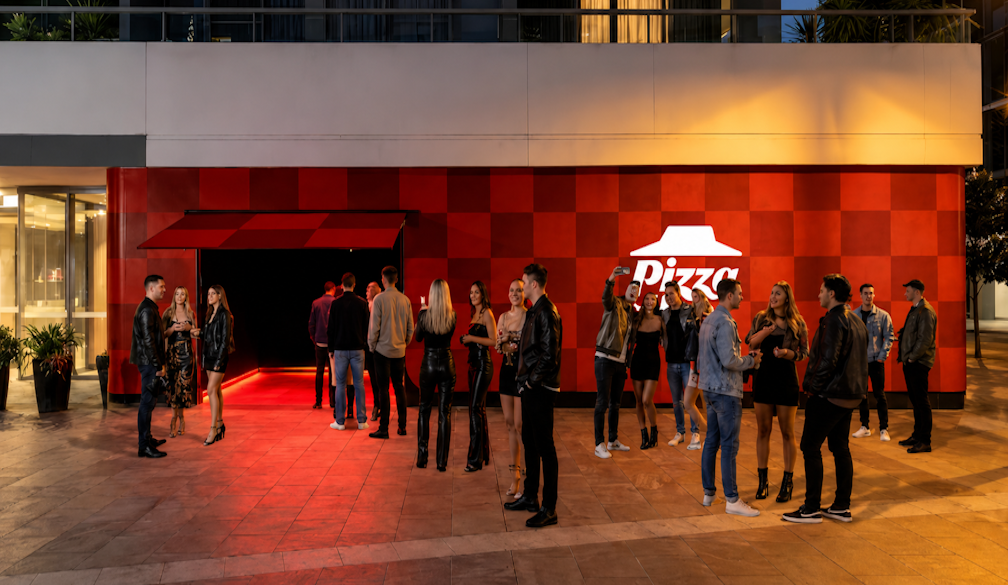
Experiential retail (events, workshops, tastings)
-
Local fulfilment hubs inside stores
Physical retail is no longer about inventory alone—it’s about experience, trust, and brand immersion.
6. What’s Next? The Future of Retail
The next evolution of retail will be shaped by five powerful forces.
1. Retail as Media
Brands are becoming publishers. Stores, websites, and social platforms now double as content channels—educating, entertaining, and building community.
Retailers that tell stories will outperform those that simply sell products.
2. Hyper-Personalisation
AI-driven retail will tailor:
-
Pricing
-
Product recommendations
-
Promotions
-
Timing
Shopping will feel less like browsing and more like being understood.
3. Localised Online Retail
Consumers increasingly want:
-
Faster delivery
-
Ethical sourcing
-
Local businesses
Expect a resurgence of local-first digital retail—online platforms that feel neighbourhood-based rather than global.
4. Sustainable and Circular Retail
Future retail will focus on:
-
Repair
-
Re-use
-
Subscription models
-
Buy-back and resale
Ownership may matter less than access and responsibility.
5. Physical Stores as Social Spaces
The store of the future may look more like:
-
A studio
-
A café
-
A learning hub
-
A community venue
Retail spaces will justify rent not through volume, but through meaning.
7. The Big Shift: From Transactions to Relationships
The most important evolution is philosophical.
Retail is moving away from transactions and toward relationships.
-
From selling products to delivering solutions
-
From chasing traffic to nurturing communities
-
From discounting prices to building value
Those who succeed will not ask, “How do we sell more?”
They will ask, “Why should customers choose us?”
Conclusion: Retail’s Future Is Not Digital or Physical — It’s Human
Retail began as a deeply human exchange. Technology stretched it across continents, accelerated it, and optimised it—but did not replace its core purpose.
The future of retail will belong to businesses that combine:
-
The efficiency of online
-
The trust of physical presence
-
The empathy of human connection
In that sense, retail is not going backwards or forwards.
It is coming full circle — with better tools, higher expectations, and a renewed focus on what has always mattered most: people.