9 signs you have inflammation in your body. Could an anti-inflammatory diet help?
- Written by: Lauren Ball, Professor of Community Health and Wellbeing, The University of Queensland

There is a lot of health buzz around the term “inflammation” right now. From new scientific discoveries[1] to celebrities[2] and social media influencers, it seems like everyone is talking about this important bodily process and its potential impact on our health.
“Inflammaging[3]” is a specific term you may also have seen. It’s an age-related increase in persistent, low-grade inflammation in blood and tissue, which is a strong risk factor for many conditions and diseases.
So, can an anti-inflammatory diet help reduce inflammation? Let’s take a look.
Read more: Don't listen to Gwyneth Paltrow – IVs are not a shortcut to good health[4]
What is inflammation?
When our body becomes injured or encounters an infection, it activates defence mechanisms to protect itself. It does this by instructing our cells to fight off the invader. This fighting process causes inflammation[5], which often presents as swelling, redness and pain.
In the short-term, inflammation is a sign your body is healing, whether from a grazed knee or a cold.
If inflammation persists for a longer time it’s called “chronic”. That can indicate a health problem[6] such as arthritis[7], heart disease[8], diabetes[9], dementia[10] or other autoimmune disorders.
The signs and symptoms[11] of chronic inflammation may be present from several months to years and include:
- persistent pain
- chronic fatigue or insomnia
- joint stiffness
- skin problems
- elevated blood markers (such as C-reactive protein[12])
- gastrointestinal issues (constipation, diarrhoea, acid reflux)
- depression, anxiety and mood disorders
- unintended weight gain or loss
- frequent colds or flu.
What role does diet play?
The relationship between food and inflammation is well recognised[13]. Overall, some food components may activate the immune system by producing pro-inflammatory cytokines (small proteins important in cell signaling) or reducing the production of anti-inflammatory cytokines.
A “pro-inflammatory diet[14]” may increase inflammation in the body over the long term. Such diets are usually low in fresh produce like fruits, vegetables and wholegrains, and high in commercially baked goods, fried foods, added sugars and red and processed meats.
In contrast, an “anti-inflammatory[15]” diet is associated with less inflammation in the body. There is no single anti-inflammatory diet. Two well-recognised, evidence-backed examples are the Mediterranean diet and the Dietary Approaches to Stop Hypertension (DASH) diet.
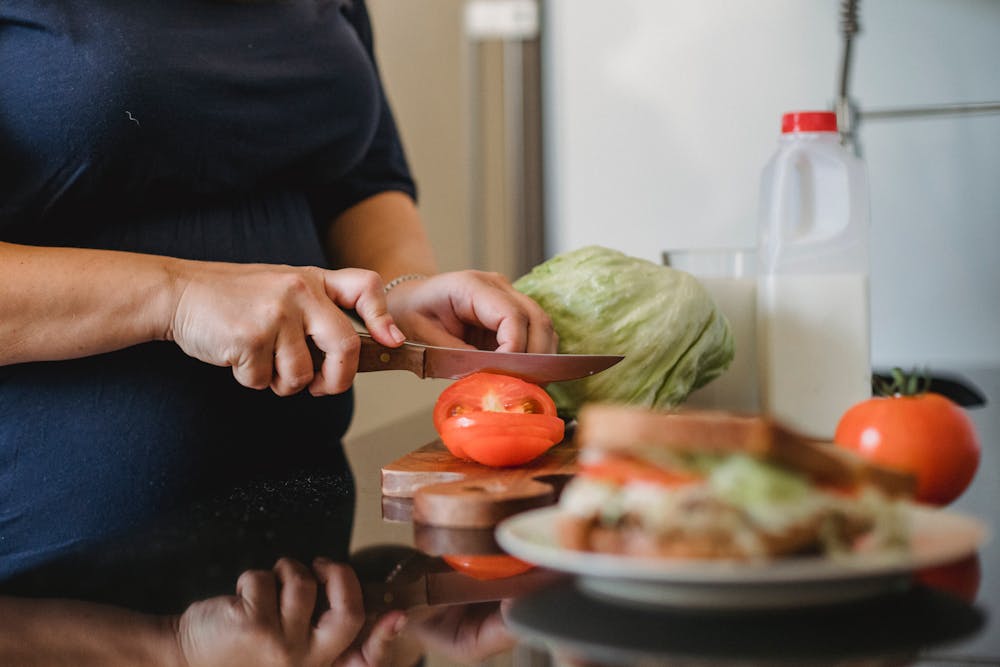
Anti-inflammatory diets typically include the following elements:
1. high in antioxidants. These compounds help the body fight free radicals or unstable atoms, that in high quantities are linked to illnesses such as cancer and heart disease. The best way to consume antioxidants is by eating lots of fruits and vegetables. Research shows frozen, dried and canned fruits and vegetables can be just as good as fresh[16]
2. high in “healthy”, unsaturated fatty acids. Monounsaturated fats and omega-3-fatty acids are found in fish (sardines, mackerel, salmon and tuna), seeds, nuts, and plant-based oils (olive oil and flaxseed oil)
3. high in fibre and prebiotics. Carrots, cauliflower, broccoli and leafy greens are good sources of fibre. Prebiotics promote the growth of beneficial microorganisms in our intestines and can come from onions, leeks, asparagus, garlic, bananas, lentils and legumes
4. low in processed foods. These contain refined carbohydrates (pastries, pies, sugar-sweetened beverages, deep-fried foods and processed meats).
Read more: Clear evidence for a link between pro-inflammatory diets and 27 chronic diseases. Here’s how you can eat better[18]
Rheumatoid arthritis, dementia, depression
There is mixed evidence for the role of anti-inflammatory diets in rheumatoid arthritis pain management. A recent 2021 systematic review[19] (where researchers carefully group and examine the available evidence on a topic) found eating an anti-inflammatory diet likely leads to significantly lower pain in people with rheumatoid arthritis when compared with other diets.
However, the 12 studies included in the review had a high risk of bias – likely because people knew they were eating healthy foods – so the confidence in the evidence was low.
Inflammation is strongly implicated in the development of neurodegenerative diseases like Alzheimer’s disease and related dementia[20] and evidence suggests anti-inflammatory diets might help to protect the brain.
A 2016 review[21] showed an anti-inflammatory diet may be protective against cognitive impairment and dementia, but that further large randomised controlled trials are needed. A 2021 study[22] followed 1,059 people for three years and observed their diet. They reported those with a greater pro-inflammatory diet had an increased risk of developing dementia.
Inflammation has also been linked with mental health, with people eating a pro-inflammatory diet reporting more symptoms of depression[23]. Diet is the fundamental element of lifestyle approaches[24] to managing anxiety and mental health.
More broadly, a 2021 review paper[25] examined recent research related to anti-inflammatory diets and their effect on reducing inflammation associated with ageing. It found compounds commonly found in anti-inflammatory diets could help alleviate the inflammatory process derived from diseases and unhealthy diets.
Read more: Netflix psychiatrist Phil Stutz says 85% of early therapy gains are down to lifestyle changes. Is he right?[26]
What about turmeric?
A favourite on social media and vitamin shelves, turmeric is promoted as having anti-inflammatory benefits. These are linked to a specific compound called curcumin[27], which gives turmeric its distinctive yellow colour.
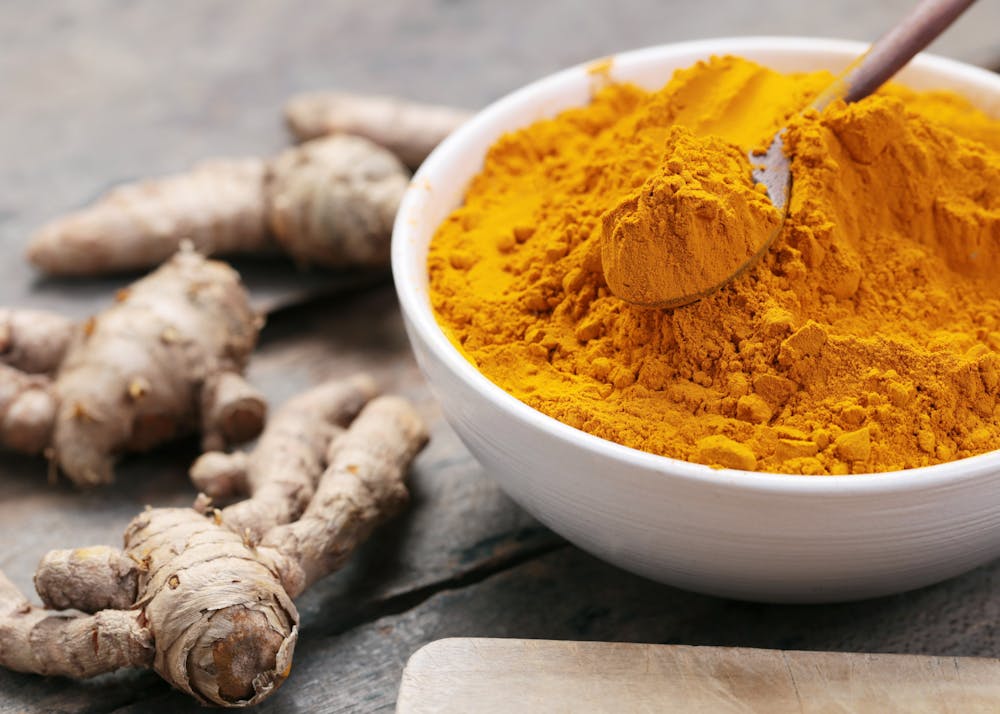 Turmeric – and the curcumin it contains – is often touted as anti-inflammatory.
Shutterstock[28]
Turmeric – and the curcumin it contains – is often touted as anti-inflammatory.
Shutterstock[28]
Research suggests curcumin might act as an anti-inflammatory agent in the body but high-quality clinical trials in humans are lacking[29]. Most of the existing studies[30] have been conducted in lab settings[31] using cells or in animals[32]. So it’s unclear how much curcumin is needed to see anti-inflammatory benefits or how well we absorb it[33].
Overall, adding turmeric to your food may provide your body with some health benefits, but don’t rely on it to prevent or treat disease on its own.
Read more: How burgers and chips for lunch can worsen your asthma that afternoon[34]
Safe eating
Inflammation is a major factor in the link between diet and many health conditions.
Eating an anti-inflammatory diet is considered safe, likely to support health and to prevent future chronic conditions. If you are looking for tailored dietary advice or an anti-inflammatory meal plan, it’s best to speak with an accredited practising dietitian[35].
References
- ^ discoveries (medicalxpress.com)
- ^ celebrities (people.com)
- ^ Inflammaging (www.nature.com)
- ^ Don't listen to Gwyneth Paltrow – IVs are not a shortcut to good health (theconversation.com)
- ^ causes inflammation (www.nature.com)
- ^ health problem (www.nature.com)
- ^ arthritis (www.ncbi.nlm.nih.gov)
- ^ heart disease (www.ncbi.nlm.nih.gov)
- ^ diabetes (www.ncbi.nlm.nih.gov)
- ^ dementia (www.ncbi.nlm.nih.gov)
- ^ signs and symptoms (www.ncbi.nlm.nih.gov)
- ^ C-reactive protein (www.healthdirect.gov.au)
- ^ well recognised (www.sciencedirect.com)
- ^ pro-inflammatory diet (theconversation.com)
- ^ anti-inflammatory (academic.oup.com)
- ^ just as good as fresh (theconversation.com)
- ^ Pexels (www.pexels.com)
- ^ Clear evidence for a link between pro-inflammatory diets and 27 chronic diseases. Here’s how you can eat better (theconversation.com)
- ^ 2021 systematic review (www.ncbi.nlm.nih.gov)
- ^ Alzheimer’s disease and related dementia (www.ncbi.nlm.nih.gov)
- ^ 2016 review (www.ncbi.nlm.nih.gov)
- ^ 2021 study (www.ncbi.nlm.nih.gov)
- ^ depression (pubmed.ncbi.nlm.nih.gov)
- ^ lifestyle approaches (www1.racgp.org.au)
- ^ 2021 review paper (www.mdpi.com)
- ^ Netflix psychiatrist Phil Stutz says 85% of early therapy gains are down to lifestyle changes. Is he right? (theconversation.com)
- ^ curcumin (www.ncbi.nlm.nih.gov)
- ^ Shutterstock (www.shutterstock.com)
- ^ lacking (www.mdpi.com)
- ^ existing studies (www.mdpi.com)
- ^ lab settings (onlinelibrary.wiley.com)
- ^ animals (www.ncbi.nlm.nih.gov)
- ^ we absorb it (www.ncbi.nlm.nih.gov)
- ^ How burgers and chips for lunch can worsen your asthma that afternoon (theconversation.com)
- ^ accredited practising dietitian (member.dietitiansaustralia.org.au)