


How To Modernise Your Home Without Overcapitalising
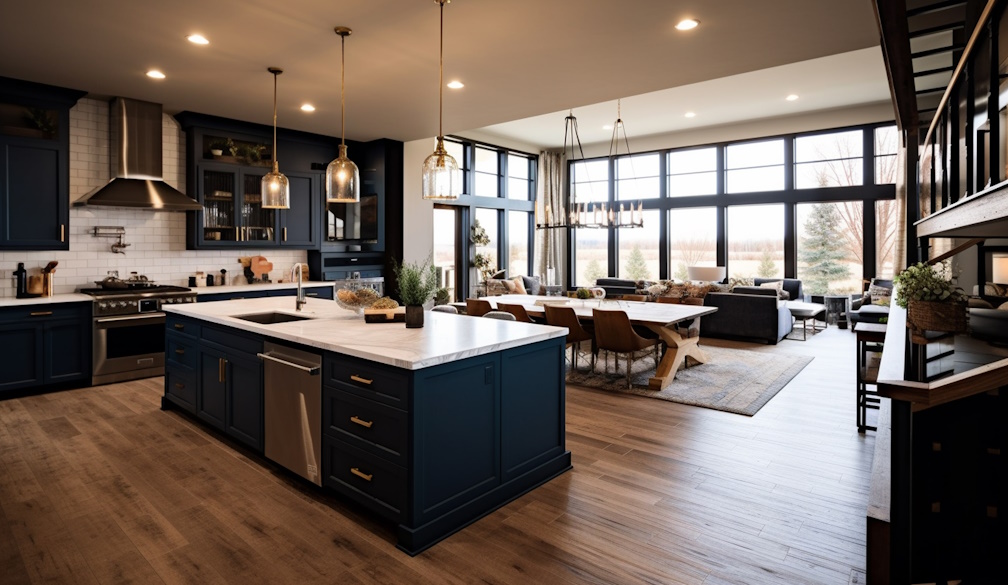
For many Australian homeowners, the dream of a "Grand Designs" transformation is often checked by the reality of a tight budget. In the current economic climate, the focus has shifted from sprawling extensions to strategic, value-adding updates. The goal is no longer just to change a living space but to ensure every dollar spent returns value, avoiding the dreaded trap of overcapitalisation. As frequently discussed in our House & Garden section, the property market is evolving, and smart spending is the key to longevity.
This approach is particularly relevant now. With recent reports indicating that Australians are hitting their spending limits and tightening their belts on discretionary costs, the appetite for open-ended renovation budgets has diminished. Homeowners are becoming more calculated, looking for ways to refresh their properties without overextending their finances. Modernising a home today is about being smart with your capital, prioritising high-traffic areas, and understanding the difference between cost and value.
The Strategy of "Profit-First" Renovations
Overcapitalisation occurs when the cost of a renovation exceeds the amount of value it adds to the property. This is a common risk in a softening market or when homeowners let emotion dictate design choices rather than market data. To avoid this, experts recommend adopting a "profit-first" mindset. This involves identifying the areas of the home that offer the highest return on investment (ROI) and allocating the budget strictly to those zones.
Kitchens and bathrooms invariably top the list for ROI. However, a full gut-and-replace approach is not always necessary or financially prudent. In high-value property markets, costs can spiral quickly if custom architectural work is involved. Instead, smart renovators look for streamlined solutions. For instance, opting for affordable bathroom renovations in Sydney packages can deliver a high-end finish at a fixed price, mitigating the risk of blown budgets while still achieving the modern aesthetic buyers desire. By choosing fixed-price packages or cosmetic updates over structural changes, homeowners can modernise these critical wet areas without crossing the threshold into overcapitalisation.
Managing Costs Through Detailed Planning
One of the primary causes of budget blowouts is a vague scope of work. When a contractor is forced to guess what fixtures or finishes you want, they will either quote high to cover their risk or quote low using inferior materials, leading to expensive variations later.
To prevent these unexpected costs, it is vital to be granular during the planning phase. According to NSW Government guidelines on building and renovating, providing a detailed job brief that specifies all materials, fittings, and the scope of work is essential before seeking quotes. This level of detail ensures that you are comparing "apples with apples" when reviewing contractor bids. It also locks in your budget early, reducing the likelihood of "scope creep," where small additions during the build accumulate into a significant financial burden. A written contract is your best defence against rising costs.
High-Impact Updates That Won't Break the Bank
If structural changes are off the table, cosmetic updates can still drastically change the feel of a home. These "micro-renovations" modernise the property and increase its appeal to future buyers without requiring council approval or heavy demolition. By focusing on surface-level improvements, you can transform the visual appeal of a room in a single weekend.
Consider the following high-impact, low-cost strategies:
- Resurfacing over Replacing: Instead of ripping out a structurally sound kitchen, consider resurfacing the cabinetry and benchtop. Modern engineered stone overlays or professional spray painting can make a 1990s kitchen look brand new for a fraction of the cost.
- Lighting Upgrades: Dark homes feel smaller and older. Swapping out old pendant lights for modern LED downlights or feature fixtures can instantly modernise a room. Ensure you use warm white globes (around 3000K) for living areas to keep the ambience welcoming.
- Window Treatments: Heavy, dated curtains can dominate a room and block light. Replacing them with plantation shutters or sheer S-fold curtains elevates the interior design and improves natural light flow.
- The Power of Paint: Never underestimate a fresh coat of paint. Stick to neutral, warm whites which appeal to the broadest range of buyers and help potential purchasers visualise their own furniture in the space.
- Hardware Swaps: Changing door handles, cabinet pulls, and tapware is a simple DIY task. Matte black, brushed brass, or brushed nickel are current trends that can update a bathroom or kitchen in an afternoon.
Focus on Flow and Street Appeal
Finally, do not ignore the first impression. Street appeal (or curb appeal) sets the tone for the entire property. Simple updates like painting the front door, pressure cleaning the driveway, or updating the house numbers can add significant perceived value. These small details signal to buyers that the home has been well-maintained.
Inside, ensure the home flows logically. While you might not be knocking down walls, rearranging furniture to create clear pathways and defined zones (e.g., a reading nook or a study area) can make the floorplan feel more functional. Modernising a home without overcapitalising is a balancing act between desire and discipline. By focusing on cosmetic improvements, adhering to a strict plan, and targeting high-ROI areas like bathrooms with cost-effective strategies, Australian homeowners can enjoy a refreshed living space that protects their financial future.










