The Long Way Back From Business Failure
- Written by: Justin Summersgill
What rebuilding from a Brisbane hostel taught me about accountability trust and starting again
In September 2025, the business I had spent eight years building collapsed. What began as an entrepreneurial idea had grown into a national operation, and for years I had measured much of my identity by its progress. Then the numbers tightened, the problems multiplied and the decisions made under my leadership were not enough to save it.
The failure did not remain contained inside a company. It affected customers, suppliers, colleagues and people who had trusted me. There was debt, anger and public criticism. Media coverage reduced years of work and a complicated collapse to headlines that followed me every time somebody searched my name. Some criticism was painful. Some of it was deserved. None of it could be solved by arguing with strangers online.
After the business closed, I moved to Brisbane to rebuild. I arrived in a city where I knew few people and, by the beginning of 2026, I was living in a hostel. My world had shrunk from running a national operation to a hostel bed, a phone and the next decision in front of me. I took work where I could find it, including working for free, because usefulness gave me something shame had taken away: a reason to get up and participate again.
Business failure is often repackaged as an inspiring origin story. We hear about the lesson, the pivot and the comeback, but rarely about the middle: the unpaid accounts, the uncomfortable calls, the people who no longer trust you and the private fear that perhaps the critics are right. Failure is not a motivational quote when other people have been affected by it.
I could tell a version of the story in which market conditions, rising costs, staffing pressures and other people explain everything. Those forces were real, but a defence is not the same as an honest account. I was responsible for decisions made under my leadership. Some were made too late. Some relied on optimism when the numbers required restraint. Some problems grew because I believed one more sale or one better month would create enough room to solve them.
The hardest shift was accepting that accountability and self-destruction are not the same thing. Accountability asks you to identify what was yours, communicate honestly and repair what you reasonably can. Self-destruction convinces you that because you failed, you are a failure, and therefore nothing you do next can matter. One creates change. The other creates paralysis.
I did not rebuild through one brave decision. I rebuilt through embarrassingly small ones. I made calls I wanted to avoid. I attended meetings knowing people might have read the headlines. I asked old contacts whether they knew of work. I followed up after silence. I kept appointments. I did useful things when there was no audience to applaud them.
Those actions did not immediately fix my finances or restore every relationship. They did something more basic: they returned agency to my life. Confidence came later. First came evidence. Every promise kept, however small, became proof that my future did not have to repeat my past.
Living in a new city also exposed how badly I had misunderstood connection. During years in business, I had accumulated contacts, customers and social-media followers. Yet visibility is not the same as belonging. A large network can disappear quickly when the business holding it together is gone.
So I began again with conversations. I met business owners, listened to what they were building and introduced people who could help each other. Small gatherings became larger ones. Within months, the community had grown to more than 120 members and expanded from Brisbane to the Gold Coast and Melbourne. That growth mattered, but not because it proved I had staged a comeback. It showed me that trust could be built differently: relationship first, transaction second.
This time, I am trying to resist the habits that make early growth intoxicating and dangerous. Attention is not revenue. Revenue is not cash flow. A full pipeline is not delivery capacity. Ambition without financial discipline can turn momentum into obligation faster than most founders realise.
I now test ideas before loading them with overheads. I pay closer attention to recurring income, the cost of delivery and whether a promise can be kept at the standard offered. I seek people who will challenge my assumptions instead of simply encouraging them. A useful adviser is not the person who tells a founder to dream bigger; sometimes it is the person willing to ask whether the dream survives a spreadsheet.
There is another uncomfortable truth about rebuilding: a new venture does not erase an old collapse. Positive coverage does not cancel negative coverage. New customers do not remove previous obligations. The only credible response is consistent behaviour over time. Trust is not restored by announcing that you have changed. It is restored when people can observe the change without needing to be persuaded.
That is why I am wary of calling this a comeback. A comeback suggests a finished arc: fall, lesson, victory. I am still in the middle. Not every consequence has been resolved, and not every person will accept the version of me I am working to become. They are entitled to judge the evidence for themselves.
What I can control is how I build now. I can tell the truth before creating the story. I can choose sustainable growth over impressive numbers. I can ask for help before a problem becomes a crisis. I can build relationships strong enough to survive disagreement. I can remember that every figure on a spreadsheet may represent a real person waiting for a commitment to be honoured.
If you are facing the collapse of a business, the temptation is to solve your reputation first. Resist it. Start with reality. Write down what is owed, what went wrong, what remains within your control and what action can be completed today. Reputation is the lagging indicator. Behaviour is the work.
The hostel was not the end of my story, but neither was it a dramatic turning point. It was simply where the performance stopped. With little left to protect, I had to look directly at the gap between the leader I thought I was and the one my decisions had revealed.
I am still closing that gap. The work is slower and less glamorous than the language of reinvention suggests. But it is real. Starting again has taught me that resilience is not how loudly you declare your return. It is how carefully you rebuild when nobody is certain they should believe you yet.
About the author
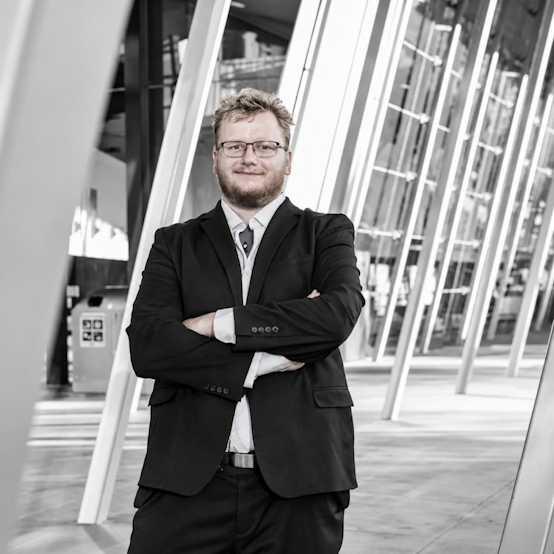
Justin Summersgill is a Brisbane-based entrepreneur and business community builder with more than 20 years of hospitality experience. His current work focuses on creating genuine professional connections and rebuilding with greater discipline, transparency and purpose.