Coastal Resilience: Modernizing Marinas with Sustainable Floating Infrastructure
- Written by: Times Media
The Vulnerability of Aging Marine Infrastructure
Across the globe, coastal infrastructure is facing unprecedented stress. Rising sea levels, intensified storm surges, and the relentless kinetic energy of wave action are exposing the severe engineering vulnerabilities of aging marine facilities. Historically, commercial harbors, public marinas, and municipal waterfronts were constructed using fixed wooden piles, concrete seawalls, and galvanized steel frameworks.
While these traditional materials have served as the backbone of coastal development for decades, their rigid nature makes them fundamentally ill-equipped to handle modern hydrodynamic challenges. Fixed wooden structures are notoriously susceptible to marine borers, moisture rot, and structural warping. Similarly, prolonged exposure to saltwater spray and oxygen creates an aggressive oxidizing environment for metal components, leading to rapid corrosion. When extreme weather events or king tides occur, rigid docks cannot adapt; instead, they bear the full brunt of hydrostatic pressure, frequently resulting in catastrophic structural failure, hazardous splintering, and millions of dollars in emergency repair liabilities.
Engineering Resilience: The Shift to Advanced Marine Plastics
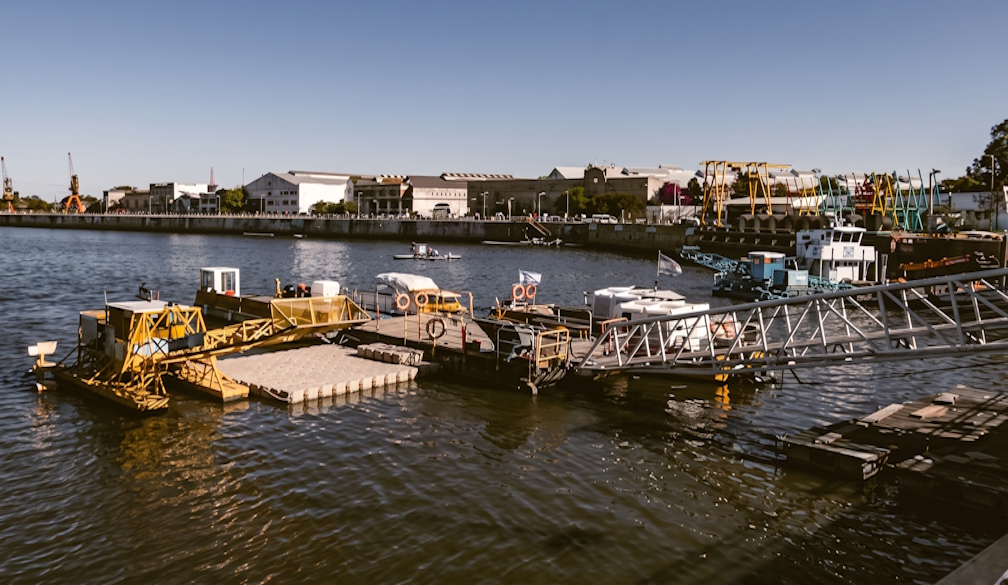
The challenge of maintaining aging coastal infrastructure has prompted a significant shift in marine engineering. Fixed wooden and metal docks are increasingly susceptible to rot, corrosion, and extreme weather events. Consequently, progressive marina developers are transitioning to resilient hiseadock plastic floating dock systems. These engineered modules provide exceptional durability, require virtually zero maintenance, and dynamically adjust to severe tidal changes, representing a highly cost-effective upgrade for modern commercial harbors.
At the core of this infrastructure revolution is High-Density Polyethylene (HDPE). As a marine-grade engineered polymer, HDPE possesses a remarkable strength-to-density ratio. It is entirely non-porous and chemically inert, meaning it will never rust, rot, or degrade when exposed to harsh UV radiation or corrosive marine salinity. By shifting from static, rigid foundations to modular, buoyant architectures, engineers are redefining the baseline for coastal resilience.
Dynamic Tidal Adaptation Mechanisms
The fundamental advantage of floating marine infrastructure is its ability to harmonize with, rather than resist, natural water movements. Unlike fixed piers that become submerged during high tides or leave massive, dangerous drops during low tides, HDPE floating systems maintain a constant freeboard height.
This adaptability is driven by a highly engineered cleat and pin interlocking system. Rather than relying on rigid bolts that can shear under sheer stress, the individual pontoon modules are connected using heavy-duty composite pins inserted through reinforced, overlapping corner lugs.
Modular Configuration for Commercial Harbors
Commercial ports and modern marinas face constantly changing logistical demands. The ability to reconfigure docking layouts without initiating massive, disruptive construction projects is a crucial operational advantage. The modular nature of HDPE floating platforms allows harbor masters to rapidly assemble, disassemble, and expand their berthing capacities.
Whether expanding gangways to accommodate larger superyachts or integrating specialized V-shaped dry docks for rapid-response municipal watercraft, modularity ensures that the infrastructure can scale in tandem with regional economic development initiatives.
The Economic Impact on Operations and Maintenance
For coastal developers and municipal planners, infrastructure procurement must be evaluated through the lens of long-term financial viability. While the initial capital expenditure (CapEx) for high-quality HDPE floating systems may be comparable to—or marginally higher than—traditional timber or steel constructions, the true economic advantage lies in the Total Cost of Ownership (TCO) over a 5-to-10-year horizon.
Traditional marine infrastructure requires continuous, capital-intensive maintenance to combat environmental degradation. By contrast, advanced polymer floating docks are virtually "zero-maintenance," fundamentally altering the O&M financial modeling for marina operators.
Key TCO metrics and mechanical parameters to consider include:
- Lifespan & Depreciation: HDPE structures boast a functional lifespan exceeding 30 years, drastically outperforming the 10-15 year lifecycle of treated timber, thereby stretching the depreciation schedule and improving long-term ROI.
- Maintenance Overhead: Eliminates recurring expenses related to pressure washing, chemical sealing, underwater weld inspections, and anti-fouling treatments.
- Structural Load Capacity: Engineered to support substantial static weight (often exceeding 350kg per square meter), allowing for the safe installation of heavy gangways, utility pedestals, and commercial equipment.
- Risk Mitigation: The anti-skid surfaces and lack of exposed metal fasteners significantly reduce slip-and-fall liabilities and subsequent insurance premiums.
Aligning with Global Coastal Sustainability Standards
Beyond structural resilience and economic efficiency, the modernization of coastal infrastructure is deeply intertwined with environmental stewardship. As global concerns regarding climate and environment adaptation grow, municipal governments are enforcing stricter regulations on marine construction to protect fragile aquatic biomes.
Traditional treated timber docks often leach toxic preservatives—such as copper and arsenic—into the water column, poisoning local flora and fauna. Furthermore, the installation of fixed pilings requires invasive seabed dredging and pile-driving, which irreversibly damages benthic habitats.
Modernizing marinas is not merely a matter of operational efficiency; it is an ecological imperative. By utilizing non-toxic floating platforms that allow sunlight penetration and avoid disturbing the seabed, developers can significantly reduce their ecological footprint. These modern installations align perfectly with international sustainable coastal development guidelines, ensuring that infrastructure progress does not come at the expense of fragile marine ecosystems.
Marine-grade HDPE is 100% recyclable, ensuring that end-of-life materials can be repurposed rather than occupying coastal landfills. For Australia's forward-looking infrastructure planners, adopting sustainable floating modular systems is a necessary step toward building resilient, profitable, and ecologically harmonious coastal cities.