What effect will this have on the US and China’s trade/diplomatic relations?
- Written by: News Company
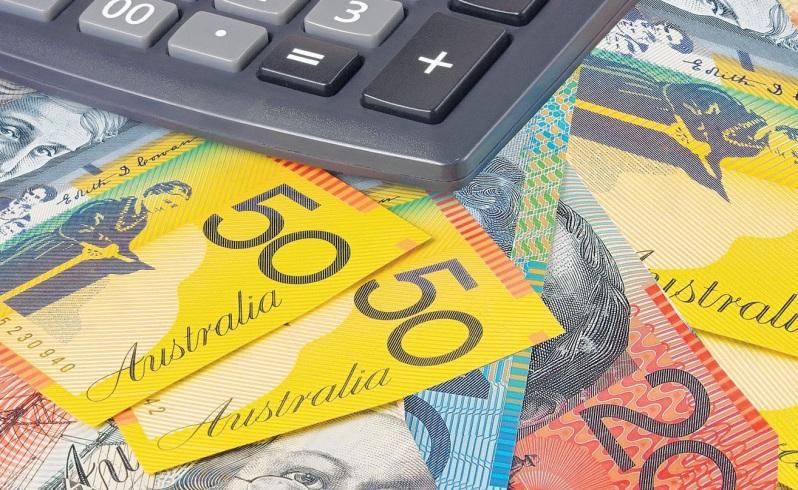
The latest developments demonstrate President Trump’s determination to transform the United States into the manufacturing giant it once was, but economists and opponents fear that this signals the growing risk that the trade war free spins out of control.
Earlier this month, Donald Trump announced that the United States would formally label China as a currency manipulator in the latest escalation of the trade war between the two countries. The US president’s action was a response to what it called the Chinese government allowing its currency to fall to its lowest point yet.
What is a currency manipulator?
This move is primarily symbolic, but it could have implications on the trade war that has been brewing and rapidly escalating. The growing trade tensions between the United States and China threaten economic stability and could cause lasting harm to individuals, consumers and businesses that rely on steady relationships between the two world economic giants.
The last time the United States government leveled currency manipulation claims against China was in 1994. The Obama administration had reportedly come close to accusing China of currency manipulation multiple times, but backed down in favor of economic stability and cooperation.
During his campaign and throughout his term in office, US President Trump has made reducing the trade deficit between the US and China a cornerstone of his global economic policy. He has pushed for restrictions and increased tariffs on Chinese imports as a way to protect American producers of competing goods.
The value of currencies in relation to one another can have a direct impact on the cost of goods. When the US dollar is strong, Americans have more purchasing power abroad. That means that they can buy more goods for the same price. But at the same time, a strong dollar means that exports will be more expensive to other countries. Subsequently, a weak dollar makes imports more expensive, but allows American producers to increase exports.
Who does currency devaluation help - and how?
But why would China intentionally devalue its own currency to be weaker than other countries? It is a strategy the country used to stimulate economic development. By decreasing the value of its currency, China experienced a flood of cash into its economy.
This is one of several policies that have allowed China to build the world’s manufacturing powerhouse. Many see the employment of tens of thousands of workers in China and the loss of American factory jobs as two sides of the same coin. According to the National Bureau of Economic Research, China’s economic transformation has contributed to the loss of at least a million American manufacturing jobs.
In a statement about the US declaration, the US Treasury Department said China had “a long history of facilitating an undervalued currency” and had taken “concrete steps to devalue its currency” in order to gain an unfair competitive advantage.
What does this mean for US-China relations?
China’s currency manipulation plays directly into the ongoing trade war between the two countries. Chinese manufacturers do not feel the painful impact of increases in American tariffs that would traditionally make their products more expensive if not for the cheaper Chinese currency.
While the Chinese have undoubtedly manipulated their currency value in the past, some economists have questioned whether the current situation merits the formal declaration issued by the US government. The Treasury Department has issued a warning in the past accusing the Chinese of meeting some of the criteria to be considered a currency manipulator. A recent report released by the International Monetary Fund found that the Chinese currency was generally in line with where it should be, which undermines President Trump’s declaration.
The question becomes what is next in this escalating trade war that could potentially send shockwaves through the world economy as two of the world’s largest producers and markets continue to feud. While the trade war has produced global anxiety and inspired rhetoric, its real impacts have been less clear. There has been a back and forth struggle between the two countries both levying tariffs on popular trade goods in an increasing confrontational economic relationship.
Donald Trump has frequently criticized the trade deficit between the US and China, claiming that the US is losing billions of dollars a year through the current arrangement. In an attempt to remedy this trade imbalance, Trump has issued a series of tariffs against Chinese goods as a way to protect American goods.
This has had nominal effects so far, but in retaliation, the Chinese have issued their own tariffs on US agricultural products. This has created a double whammy for American farmers who are forced to pay higher costs for goods and at the same time have taken a hit to their profit margins.