why Australian women have so little trust in religious institutions
- Written by: Kate Gleeson, Associate Professor of Law, Macquarie University
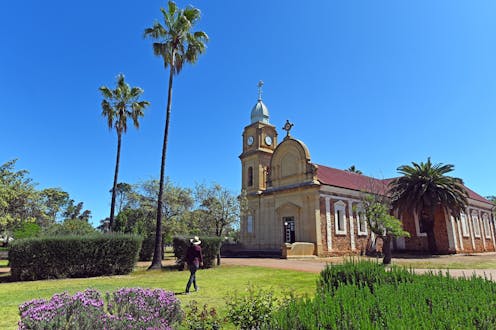
The Albanese government is weighing up the costs of delivering an election promise to protect religious people from discrimination in Commonwealth law. Such protections were relatively uncontroversial when included in state anti-discrimination laws. However, the religious discrimination debate became toxic under former prime minister Scott Morrison when it became tied to[1] the rights of religious schools to discriminate against LGBTIQ+ staff and students.
Prime Minister Anthony Albanese has said[2] the government has draft legislation ready to go. However, it won’t introduce it without bipartisan support because, “now is not the time to have a divisive debate, especially with the rise in antisemitism and Islamophobia”.
Religious discrimination might not be addressed by the Australian parliament any time soon. Albanese must first persuade Opposition Leader Peter Dutton to support legislation to protect both religious people and LGBTIQ+ staff and students at religious schools.
Second, he will need to contend with an electorate that appears, at best, ambivalent about the problem of religious discrimination[3], while maintaining strong concerns about discrimination against LGBTIQ+ groups.
Trust in organised religion is low
Our new research report, Trust in Religion among Women in Australia[4], highlights some electoral realities relevant to legislating to protect religion in Australia today. The report analyses data from the nationally representative Australian Cooperative Election Survey[5], taken from May 2–18 2022. We surveyed 1,044 voters, of whom 531 were women. While we analysed the data for both men and women, we found that women are significantly more likely than men to express distrust in religion, and so our report focussed on them.
Our findings present a bleak picture for religious organisations hoping to gain political traction based on trust in their ability to act ethically and responsibly.
When compared internationally, Australians – particularly women – have very low trust in organised religion. This gendered outcome makes Australia an outlier in the Western world and is likely related to women’s concerns for children in the care of religious organisations. Key findings include:
about one-third of Australian women have no trust in organised religion and religious leaders
distrust is highest among younger women: almost half of all women aged 18-29 have no trust in religious leaders
among religious women, around 10% have no trust in organised religion and religious leaders, while around half have “not very much trust” in either
LGBTIQ+ women have some of the lowest levels of trust in Australia. Almost two-thirds have no trust in religious leaders
Women living in outer regional and remote Australia are significantly more likely to distrust religion than women living in cities and inner regional areas.
Child abuse scandals have eroded trust
Consistent with international studies[6], our research indicates religious child abuse scandals have greatly affected trust. Australian women are highly sceptical about the capacity of religious leaders to protect the children in their care. In fact, almost half report low, or no, trust.
They also doubt the ability of religious leaders to respond to the findings[7] of the Royal Commission into Institutional Responses to Child Sexual Abuse. Over half report low, or no, trust in this. Concern for children is highest among LGBTIQ+ women, likely reflecting concerns about discrimination against LGBTIQ+ school children, as well as child abuse.
Trust affects how women view the role of religion in the public sphere. We found that about four in five women who have no trust in religion believe religious organisations should no longer be granted tax-exempt status by the government. Around two-thirds of this group also believe the government should stop funding religious schools.
Similarly, two-thirds of women with no trust in religion think religious organisations should play a smaller role, or no role at all, in counselling in schools. Around 60% of this group also think religious organisations should play a smaller role, or no role at all, in primary and high school education.
Can trust be regained?
The report concludes that organised religion is facing a profound crisis of trust, particularly among women. Concerns for children are paramount in shaping women’s opinions about religious organisations and the services they offer. The high level of distrust among younger women suggests the crisis is generational and cannot be corrected without dedicated interventions on the part of religious organisations and governments.
If left unchecked, this crisis has the potential to undermine the social and economic fabric of Australia, given the prominence of religious organisations in the provision of education, healthcare, and social services.
Religious organisations must work to establish or regain the trust of the electorate, especially among regional and remote communities. The current national emergency[8] of violence against women perhaps provides one opportunity for religious organisations to build this trust. This is especially so given the pivotal role they now play in the outsourced domestic violence services sector, which was once community-run[9].
Politically, this crisis of trust does not bode well for governments seeking support for any legislation that might appear to offer greater protections to organised religion.
In particular, any protections that are perceived to encroach on children’s rights will almost certainly be rejected by those large sections of the Australian electorate reporting low or no trust in religion. Albanese will need to get the balance right.
References
- ^ it became tied to (theconversation.com)
- ^ said (theconversation.com)
- ^ ambivalent about the problem of religious discrimination (theconversation.com)
- ^ Trust in Religion among Women in Australia (apo.org.au)
- ^ Australian Cooperative Election Survey (apo.org.au)
- ^ international studies (openpresstiu.pubpub.org)
- ^ findings (www.childabuseroyalcommission.gov.au)
- ^ national emergency (theconversation.com)
- ^ community-run (www.smh.com.au)