Covid - National Cabinet Statement
- Written by: Scott Morrison
National Cabinet met today to discuss Australia’s response to COVID-19 and the Omicron variant, the ongoing safe reopening of Australia, resumption of cruising in Australia, approaches to test, trace isolate and quarantine and the vaccine rollout and booster program.
Chief Medical Officer Professor Paul Kelly provided an update on the spread of the Omicron variant. Overall case numbers continue to decline in Australia and the Omicron case variant continues to be the predominant variant in Australia and globally. Omicron continues to show greater infectivity than the Delta variant, but with much less severity in terms of hospitalisations, ICU and ventilated patients.
Since the beginning of the pandemic there have been 3,136,920 confirmed cases in Australia and, sadly, 5,549 people have died.
Globally there have been over 452.7 million cases and, sadly, over 6 million deaths, with 1,949,622 new cases and 7,240 deaths reported in the last 24 hours. The COVID-19 pandemic continues to surge in many countries around the world.
Lieutenant General John Frewen, DSC, AM, Coordinator General of the National COVID Vaccine Taskforce (Operation COVID Shield) provided a detailed briefing on the next phase in Australia’s vaccination rollout.
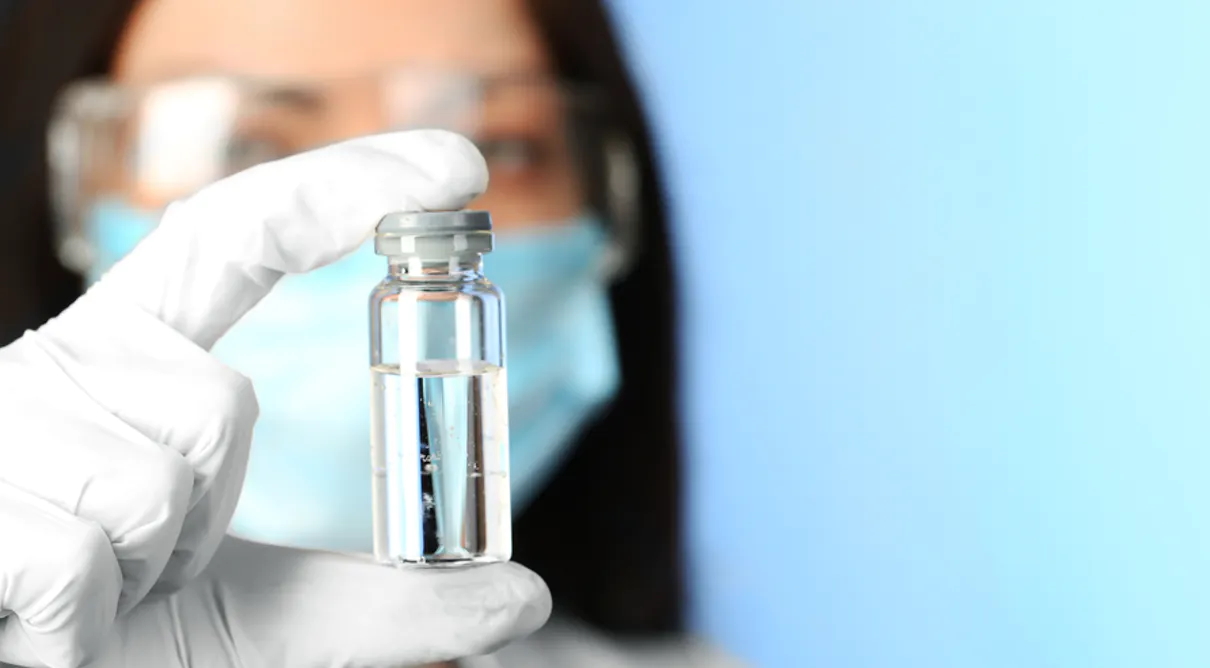
Australia’s COVID-19 vaccine rollout continues to expand. To date, 54.9 million doses of COVID-19 vaccines have been administered in Australia, including over 12 million booster doses.
More than 94.7 per cent of Australians aged 16 years and over have now received a second dose, including more than 99 per cent of over 50 year olds.
Over 51 per cent of 5-11 year olds have received a first dose of a COVID-19 vaccine in the first two months of their vaccination program. Second dose vaccinations for 5-11 year olds commenced earlier this week.
National Cabinet noted that Australia has largely transitioned to Phase D of the National Plan, with states and territories and the Commonwealth considering removing the remaining restrictions in the coming months, subject to continued public health advice.
National Cabinet will meet again in June 2022.
COVID-19 and Influenza Winter Preparedness and Response
National Cabinet agreed to a nationally consistent approach to manage both the COVID-19 pandemic and the likely co-circulation of influenza during winter 2022, to minimise health impacts while supporting the economy, with following key principles:
a. focus public health policy on prevention of severe disease and targeting the most high risk cohorts for testing and treatments for both diseases;
b. maximise COVID-19 and influenza vaccination coverage;
c. ensure existing testing capacity is maintained, with agreed approaches to prioritise PCR testing for those at risk of severe disease, those in a household with someone at-risk, or those who would likely benefit from treatment;
d. transition to no longer requiring quarantining of all close contacts as soon as possible, with AHPPC to provide urgent advice as soon as possible to inform this transition, appropriate to each jurisdiction;
e. transition to not routinely undertaking PCR testing in otherwise healthy people with mild respiratory illness, and promote voluntary self-isolation while symptomatic for this group, following endorsement by AHPPC;
f. transition to PCR testing for multiple respiratory pathogens simultaneously (multiplex PCR);
g. ensure health, economic and social measures are in place to address the impacts of a possible new COVID-19 wave, including workforce shortages, supply chain issues, and pressures on specific sectors and individuals;
h. states and territories should continue to support fever clinics and other community-based testing arrangements where demand requires it, noting these testing centres should also offer multiplex PCR testing;
i. consistent messaging and communication strategies for the prevention, diagnosis and treatment of COVID-19 and influenza across all jurisdictions and population cohorts, with a key area for the communication strategy emphasising the importance of receiving the influenza vaccine and being fully vaccinated against COVID-19 this year; and
j. reinforce business and individual responsibility for prevention, preparedness and response efforts.
National Cabinet further agreed that states and territories consider mandating influenza vaccination for aged care workers at residential aged care facilities.
National Cabinet noted that the Commonwealth is investing $2.1 billion to support and protect Australians against COVID-19 and influenza this winter and agreed to extend the COVID-19 National Partnership Agreement to 30 September 2022.
Resumption of Cruising
National Cabinet noted positive progress by the eastern states and the cruise industry to develop appropriate health protocols and common guidelines to support a safe return to cruising in their jurisdictions over the coming months.
COVID-19 Rapid Test Concessional Access Program
National Cabinet agreed to extend the COVID-19 Rapid Test Concessional Access Program to 31 July 2022, which will provide an additional 10 free RATs per eligible concession card holder over the additional three month period. The program will continue under the existing policy parameters, with costs to be shared on a 50:50 basis between the Commonwealth Government and each state and territory government.
Eligible Commonwealth concession card holders include those with a Commonwealth Seniors Health Card; Department of Veterans’ Affairs Gold, White or Orange Card; Health Care Card or Low Income Health Card.
Joint National Japanese Encephalitis Virus Response Plan
National Cabinet noted the update on the Japanese Encephalitis Virus (JEV) situation in Australia, from Australia’s Chief Veterinary Officer and Chief Medical Officer.
National Cabinet noted the development of the Joint National Japanese Encephalitis Virus Response Plan, which will be finalised and endorsed by the Australian Health Protection Principal Committee (AHPPC) and Chief Veterinary Officers in each jurisdiction.
Consistent with this plan, National Cabinet agreed that each jurisdiction will undertake:
to coordinate a One Health response that will inform the coordination mechanisms nationally;enhanced surveillance on mosquitoes, animals (including wildlife) and humans, consistent with what will be outlined in the national response plan to JEV and supporting surveillance plans;comprehensive data sharing on a national, state and territory level to enable the development of a clear picture of the risk of the disease;to commit to sharing lessons learned and strategies implemented for prevention, control, and response measures undertaken; and to use consistent cross-government messaging and communication strategies to ensure the public has clear, factual and timely information, appropriate to the public health and animal health risk posed by JEV.
To support these initiatives the Commonwealth Government will provide approximately $70 million in funding for initiatives aimed at preventing exposure to the disease through vaccination and mosquito management systems, to protect people and animals most at risk during the current outbreak, and targeted communication for at-risk areas.
The Chief Veterinary Officer also briefed National Cabinet on the outbreak of Lumpy Skin Disease in Indonesia. Lumpy Skin Disease affects cattle and water buffalo.
National Mental Health and Suicide Prevention Agreement
National Cabinet noted that the National Mental Health and Suicide Prevention Agreement (National Agreement) has come into effect, following signing by the Commonwealth, New South Wales, Queensland, South Australian, Tasmanian and Northern Territory Treasurers.
The National Agreement addresses key recommendations from the Productivity Commission’s Inquiry into Mental Health and the National Suicide Prevention Adviser’s Final Advice. It will: clarify roles and responsibilities; progress improvements in the mental health services available to adults, children and youth; establish collaborative approaches to monitoring and evaluation to ensure our services are providing people the help they need; reduce gaps in the system of care; expand and enhance the workforce, including the peer workforce; and work to improve mental health and suicide prevention for all Australians, across a range of settings.
The South Australian and New South Wales Governments have signed bilateral agreements with the Australian Government that will provide significant funding to implement initiatives under the National Agreement in their states. The Australian Government is continuing to work with all states on these important reforms.