


Why every drop counts
- Written by: Troy Grant
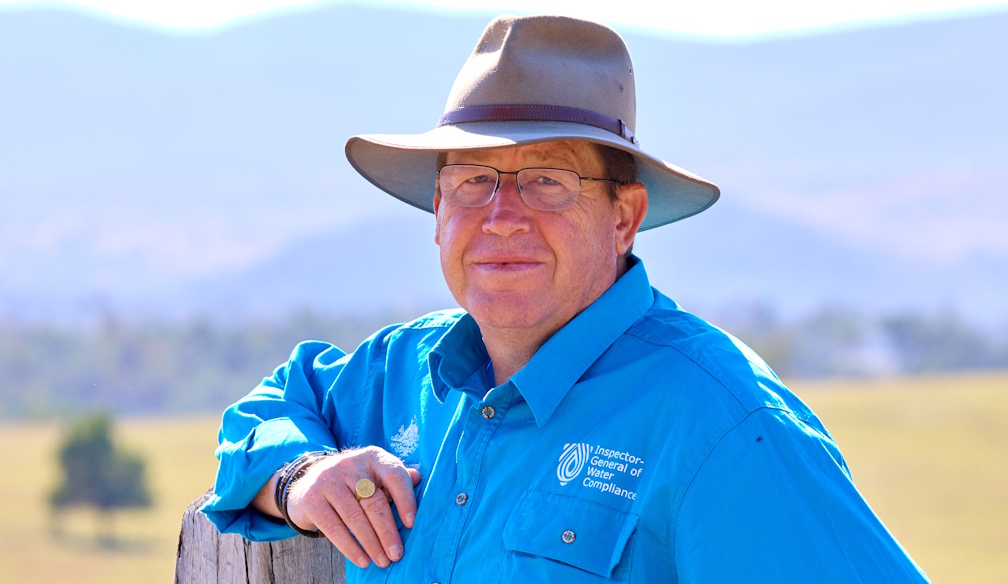
Accurate water measurement and confidence in Sustainable Diversion Limits (SDLs) are essential to the Murray–Darling Basin Plan delivering for communities, the environment and future generations. As Inspector-General of Water Compliance, my role is to provide independent assurance that the SDL framework is operating as intended - and to examine the areas that matter most to maintaining public trust, including metering, floodplain harvesting measurement and how limits are changed over time. This is why one of my three priorities in my Strategic Plan 2026-2030 focuses on ensuring water measurement is trustworthy.
SDLs are not abstract policy tools. They are the foundation of trust in how water is shared across the Basin - between upstream and downstream communities, between consumptive use and the environment, and between today’s needs and tomorrow’s resilience. The objective is not to re-litigate the value of SDLs. The objective is confidence: confidence that the framework is operating consistently, transparently, and delivers the outcomes the Basin Plan promised.
Why measurement matters
Water compliance is about people. Towns rely on secure drinking water. Farmers plan crops and permanent plantings years in advance. First Nations communities maintain deep cultural connections to rivers. Healthy river systems underpin regional economies.
Accurate metering and measurement turn these shared expectations into reality. Without reliable measurement, limits cannot be enforced, planning becomes guesswork, and trust erodes.
Metering allows evidence-based conversations. With good data, disagreements can be resolved through facts rather than fear. Metering reform is not just technical infrastructure - it supports vital social infrastructure, and confidence in water use.
SDLs represent a collective agreement: that water use stays within limits that protect river health while supporting productive communities. When SDLs are met, the objectives of the Basin Plan are more likely to be delivered. This means more resilient rivers, greater certainty for water users, benefits for all our communities, and reduced risk of long-term environmental decline.
SDLs only work if they are measurable, transparent and credible. That is why my role is not to manage water, but to independently assure the integrity of the framework governing it.
Why independent scrutiny
My independence is what enables governments and the community to have confidence and trust in my assessments of Basin Plan matters. I have an absolute and unwavering commitment to integrity which I ensure through being evidence-based. I am equally committed to transparency - publishing my findings and recommendations and engaging with the Australian community about my work.
As the Inspector-General, I have a range of tools that I use to examine the SDL framework. Independent audits aim to answer the question communities rightly ask: is water take being properly accounted for within Basin Plan limits? By identifying strengths, gaps and areas for improvement, audits support better decision-making and stronger confidence in the system.
Floodplain harvesting has long been a complex issue for water managers and Basin communities. Measurement is vital to better understanding water take, improves water management decisions, and provides an objective response to community views. My soon-to-be-initiated floodplain harvesting audit is not about attributing fault. It is about transparency of the progress toward measuring water take from floodplains, understanding, and addressing barriers to the completion of measurement arrangements.
An annual metering report card is another tool I publish to strengthen confidence in data used for SDL accounting. It is not about naming and shaming, it is about transparency - clearly showing where progress is being made, where risks remain for the accuracy of water take data used in water accounting. And where further effort is needed to provide the community with the confidence it needs and wants regarding sustainable levels of water take across the Basin.
Confidence in SDLs also depends on how changes to limits are considered over time. Baseline Diversion Limits (BDLs) are a critical part of the accounting framework. Adjustments may be appropriate in limited circumstances, but only where robust checks and balances apply. A change to BDLs means that there is more water in a river system than previously estimated, and therefore more water is able to be extracted from it for consumptive use. At a minimum, confidence requires any proposed changes to water limits to be supported by demonstrably better information than was available when SDLs were set, that changes do not undermine environmental outcomes in the Basin Plan, and that any changes are accompanied by clearly communicated reasons.
Understanding water accounting takes expertise, and my independent work is informed by expert advice, including through a newly convened Inspector-General’s SDL Compliance Advisory Panel. I’m committed to ensuring the framework, our approach, and our advice is independently grounded with best available expertise.
Why this matters now
The variability of our climate is increasing. Droughts are sharper, floods more intense. This is predicted to continue. Therefore, accurate measurement, clear limits, and independent assurance is not optional – it is essential.
For communities, transparency builds trust. For governments, it supports accountability. For water users, it maximises certainty for water use and investment decisions. Linked with independent audits, accurate and timely reporting data and information, I aim to shift conversations from debate about the need for SDLs to a shared understanding and delivery of Basin-wide outcomes through effective frameworks.
We’ve already done a lot to improve the systems. But over the coming years, my office will continue to examine the areas that matter most to ensuring confidence in water measurement and accounting, including metering, floodplain harvesting measurement, modelling and the operation of SDL limits themselves. This is not about criticism. It is about ensuring the Basin Plan continues to deliver what it was designed to achieve. Why? Because every drop counts. And so too, the confidence of the communities who depend on it.
Troy Grant
Inspector-General of Water Compliance










