How Your Daily Habits Influence Your Long Term Eye Health
- Written by: Times Media
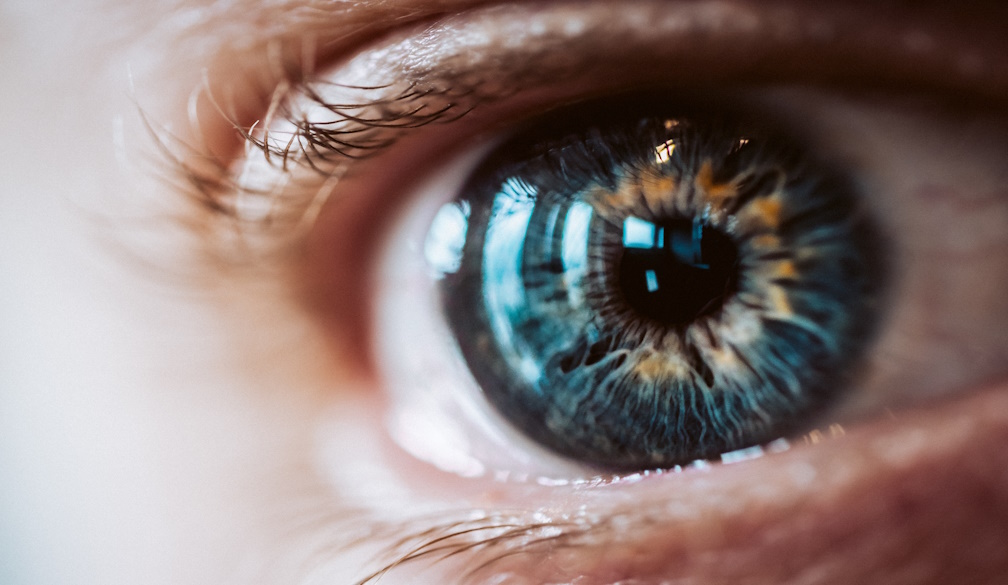
When we think about healthy ageing, our minds often jump to keeping our joints flexible, our minds sharp, and our cardiovascular system strong. However, vision preservation is a crucial element of overall health that frequently takes a back seat. According to the Australian Institute of Health and Welfare, over 13 million Australians live with one or more chronic, long-term eye conditions. As our population ages, this number is only expected to rise. While genetic factors certainly play a role, your daily lifestyle choices have a profound impact on how well you see as you get older. Taking proactive steps at home is vital, but the best place to start is by establishing a clinical baseline. Booking a comprehensive screening with optometrists near you ensures that any subtle changes in your vision are caught early, setting the stage for a lifetime of better eye health.
The Surprising Connection Between Cardiovascular Fitness and Vision
It might seem strange to link your morning jog to your eyesight, but the two are intimately connected. The eyes rely on a complex network of tiny, delicate blood vessels to supply the retina and optic nerve with oxygen. When your circulatory system is robust, these vessels function optimally. It is well documented that regular physical activity and a balanced diet benefit not only fitness but also long-term independence and systemic circulation. This aligns with recent health discussions on whether exercise and good nutrition help you enjoy life more. The same science-based approach to eating and movement that supports your heart also protects the microvascular system within your eyes. Conditions like high blood pressure or diabetes can silently damage these small vessels. In fact, up to one in three Australians living with diabetes has some level of diabetic retinopathy, which can be completely asymptomatic in its early stages. Keeping your cardiovascular system in check is a direct investment in your long-term sight.
Nutritional Choices That Protect Your Retinas
What you put on your plate plays a direct role in shielding your eyes from cellular damage. Research highlights that components of a Mediterranean diet are particularly beneficial. Extra virgin olive oil contains powerful anti-inflammatory properties that help reduce harmful inflammation in the retina and choroid layers. Similarly, Omega-3 fatty acids are heavily concentrated in the retina and are consistently associated with preventing the progression of age-related macular degeneration. Dark green leafy vegetables, such as spinach and kale, provide essential antioxidants called lutein and zeaxanthin that protect against oxidative stress.
Of course, what you avoid is just as critical as what you consume. According to the Macular Disease Foundation Australia, people who smoke increase their risk of developing age-related macular degeneration by a factor of three, and they tend to develop the disease around 10 years earlier than non-smokers. Quitting smoking and adopting a nutrient-rich diet are two of the most effective preventative measures you can take to maintain central vision as you age.
Managing Digital Strain and Environmental Factors
Beyond diet and exercise, our modern environment poses unique challenges to visual comfort. The shift towards indoor, screen-heavy lifestyles has fundamentally changed how we use our eyes. Recent industry data reveals that 86 percent of Australians have experienced sore or tired eyes directly linked to screen use, yet only a small fraction routinely take breaks to manage this digital eye strain. Prolonged focus on nearby digital devices can lead to dry eyes, blurred vision, and persistent headaches, making it essential to adjust our daily habits for better long-term comfort.
To counterbalance these environmental stressors, consider incorporating the following habits into your daily routine:
- Follow the 20-20-20 rule. Every 20 minutes, look at something 20 feet away for at least 20 seconds to relax your focusing muscles.
- Wear UV-protective sunglasses year-round. Up to 80 percent of a person's lifetime exposure to harmful UV radiation occurs before the age of 18, so making sunglasses a daily habit early in life prevents cumulative cellular damage.
- Increase outdoor time. Optometrists now advise that spending at least one to two hours a day outside is key to reducing the rising epidemic of short-sightedness (also known as myopia), especially in children.
- Manage indoor environments. With over 85 percent of Australians experiencing dry eye symptoms, taking steps like using humidifiers or conscious blinking can drastically improve daily comfort.
Ultimately, preserving your vision is a lifelong endeavour that mirrors your full-body wellness routine. Eye care goes far beyond simply updating your prescription glasses. By eating thoughtfully, moving regularly, and managing your environment, you are giving your eyes the best possible chance to serve you well into your later years. Combine these healthy daily habits with regular professional check-ups, and you will be well-equipped to enjoy a vibrant, active, and clearly focused future.