


Aluminium Cladding vs Vinyl: Cost, Durability, and Appearance Compared
- Written by: Times Media
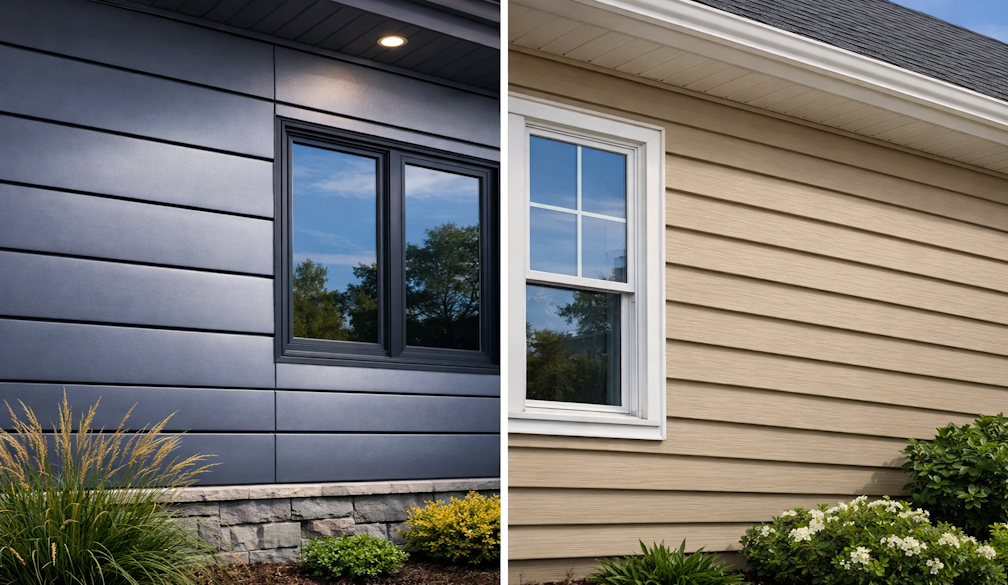
Choosing between aluminium and vinyl cladding usually comes down to a simple tension. One option tends to cost less upfront and asks very little of you afterwards. The other costs more to start with but tends to keep performing for decades longer. Neither material is the wrong choice, but understanding exactly where they differ makes it far easier to pick the one that suits your home, your budget, and how long you plan to stay in it.
Starting With the Numbers: What Each Material Costs
Vinyl cladding has built its reputation largely on affordability. It is lightweight, quick to install, and generally sits at the lower end of the cladding price spectrum, which makes it an appealing option for homeowners working to a tighter budget or covering a large area of wall.
Aluminium cladding sits at a noticeably higher price point, both for the material itself and for installation, since it often requires more specialist handling and fixing methods. The upfront gap between the two materials is real, and for many buyers, this is the first factor that shapes the decision. What matters just as much, however, is what happens to that cost difference over the years that follow.
Durability: Where the Gap Becomes Clear
This is where the two materials separate most noticeably. Vinyl cladding generally lasts between 15 and 20 years, and while it performs reasonably well across most Australian conditions, it can fade under harsh UV exposure and is more vulnerable to cracking or denting from impact than people sometimes expect.
Aluminium cladding tends to last considerably longer, with a typical lifespan of 20 to 30 years or more, according to a comparison published by Clads. It also resists rust, pests, and rot with far less effort required from the homeowner.
This difference matters most if you are planning to stay in your home long term. A material that lasts an extra decade or more, with comparatively little maintenance along the way, often closes the cost gap considerably once you look at the full lifetime of the cladding rather than just the day it goes up.
Maintenance: Set and Forget vs Slightly More Forgiving
Both materials are considered low maintenance compared with timber, but there are still meaningful differences worth understanding. Aluminium cladding asks almost nothing of you once installed. An occasional wash with mild detergent and water is generally enough to keep it looking clean, and because it does not rot or attract pests, there is no ongoing treatment cycle to plan for.
Vinyl cladding is also relatively easy to maintain, but it is more prone to colour fading over time, particularly on north-facing walls exposed to intense sun for years on end. It is also softer than aluminium, which means it can dent or crack from impact, whether that is hail, a misjudged ladder, or simply general wear around a busy household.
Neither issue is dramatic on its own, but they do mean vinyl asks for slightly more attention over the years than aluminium does.
Appearance: Two Different Looks, Two Different Strengths
Vinyl cladding has come a long way in terms of appearance, with many modern products offering a convincing timber-look finish across a wide range of colours and textures. It suits a broad range of architectural styles, from classic weatherboard homes through to more contemporary builds, and gives homeowners a lot of flexibility without committing to a premium price tag.
Aluminium cladding tends to lean toward a sleeker, more modern aesthetic. Its clean lines and broader colour and finish options make it a strong choice for contemporary architecture, and its flexibility as a material means it can be shaped into more distinctive panel designs than vinyl typically allows.
If your home leans toward a minimalist, architectural look, aluminium often achieves that more convincingly. If you want a softer, more traditional appearance without the cost of real timber, vinyl tends to deliver better value for that particular style.
Thinking About Climate and Location
Where you live plays a genuine role in which material will perform better over time. Aluminium handles coastal conditions particularly well, since it resists corrosion from salt air far more effectively than many alternative materials. This makes it a strong option for homes closer to the coast, where exposure to salt and moisture is a constant, ongoing factor.
Vinyl performs adequately in most Australian climates but can struggle slightly more in areas with intense, sustained UV exposure, where fading becomes noticeable sooner than in more sheltered locations. If your home sits in a particularly harsh sun position, it is worth discussing UV-resistant vinyl options with your supplier before committing to a colour or finish.
Making the Right Choice for Your Project
There is no universally correct answer between these two materials, since the right choice depends on your budget, your home's style, and how long you are planning to stay in the property. If affordability and ease of installation matter most, vinyl remains a genuinely solid option that has improved significantly in both appearance and performance over recent years. If you are prioritising long-term durability and a more contemporary finish, and you are comfortable with a higher upfront cost, aluminium tends to deliver better value across the life of the cladding.
Whichever direction you lean toward, it is worth viewing physical samples before deciding, since colour, texture, and finish all look different in person compared with photographs online. If you are in South-East Queensland, high-quality Brisbane cladding and premium quality Gold Coast cladding are both available through showrooms where you can compare aluminium and vinyl side by side under natural light.
The same goes further south, where popular Sydney cladding suppliers offer similar in-person comparisons suited to that region's conditions. Speaking directly with reputable building materials suppliers about your specific location, sun exposure, and architectural style will give you a much clearer sense of which material is genuinely the better fit for your home, rather than relying on cost alone to make the decision.









