What does the future of packaging look like post-pandemic?
- Written by: Philip Weinman

Industry expert, Philip Weinman, takes a close look at the packaging industry and the leaps that need to be made.
2020 is fast becoming the year that no one will forget. The spread of COVID-19 has triggered an avalanche of change across the globe, a change that has plunged our world into an economic crisis. With almost every sector and industry severely impacted, some of the most powerful countries in the world are heading towards a recession. These are undeniably uncertain and frightening times, however, such moments in history can be an opportunity for success and transformation.
In the race to innovate during the pandemic, the packaging sector is emerging as a front-runner to revolutionise the current 'status quo'. As stores closed during the lockdown, the e-commerce marketplace has boomed and consumer demand for safe and durable packaging has soared. With lightning speed, the packaging industry has adapted to meet new consumer trends and has placed itself in a position destined to thrive.
Laying the foundation for growth
As news about the virus escalated, fear mounted. This fear impacted consumers across the globe and provoked acute emotional buying behaviours. Panic buying of groceries, pharmaceuticals and health care items occurred as anxiety about an impending lockdown increased. The packaging industry initially benefited from this increase in demand. Grocery stores and other providers of essential products struggled to restock their shelves. Manufacturers of hot commodity items such as toilet paper, gloves, tinned foods etc., increased their production outputs or pivoted into creating new product lines to meet local and global demands.
The closing of traditional brick-and-mortar stores reduced the revenue of many companies but also forced people to shop online. E-commerce platforms saw a notable hike in sales for home appliances, cosmetics and other non-grocery items. In the U.S. alone, online purchases increased by 49% in April compared to the previous month when quarantine was first implemented.
Case study: Food Industry
The pandemic demonstrated how important it is for businesses to adapt. Those that failed to adjust to the rapid adoption of online purchasing suffered. The foodservice industry is a prime example of this: the suspension of dining in restaurants and cafes forced businesses to change their product offering and start offering delivery or takeaway services.
As restaurants and cafes closed, a new trend in consumer sentiment towards food purchasing began to emerge. Consumer preference shifted to pre-packaged fresh foods that did not carry transmission risk. Health and protection became paramount and packaging which was hygiene focussed was sought. Single-use plastic packaging was back in demand as consumers wanted reassurance that the food they purchased had not been touched or come into contact with the virus. Sustainable and eco-friendly packaging was no longer desired. Packaging that ensured product protection and consumer safety first was the primary aim.
Quarantine regulations have necessitated the expansion of disposable cutlery and other food-handling items in the food sector. This was primarily to stop the spread of COVID-19 and protect the health and safety of staff and customers. Failure to comply would severely impact operations, especially if the staff became ill.
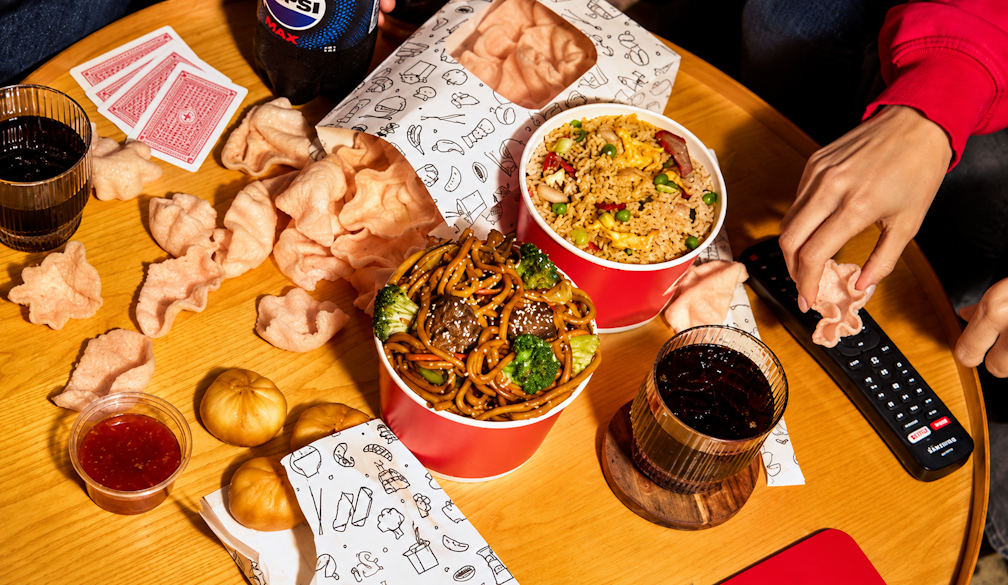
The shift away from dine-in menus to 'production' kitchens further contributed to the expansion of single-use plastic. Takeaway food and re-heatable home meals require packaging that needs to meet safety requirements, as well as ensure the food tastes as good as eating at the establishment.
Demand for takeaway style boxes, labels and cartons increased as home delivery food services were utilised and packaging that ensured food was protected and safe was attractive. Whilst the pandemic has caused sustainable packaging to falter, cafes and restaurants are seeking more hygienic and eco-friendly alternatives.
Rise of online solutions
The increase of takeaway orders created a dependency on third-party delivery services. Cafes and restaurants flocked to UberEats, Deliveroo and other providers to get immediate access to an online marketplace of customers. Whilst high commission rates and unfavourable policies detracted some users, most have accepted that offering this service via an e-commerce portal is vital to the future of their business. As more businesses bring their delivery in-house, companies will incorporate their branding on containers, bags, etc. to ensure a holistic customer experience.
Even the packaging industry itself is not immune to the online marketplace effect. Companies seeking packaging materials optimised for home deliveries are increasingly turning to the web. Suppliers of packaging products will undoubtedly lose sales opportunities by remaining offline and adapting as buying behaviour changes.
Leveraging the new ‘status quo’
Panic buying behaviours, new products and the growing confidence of purchasing online have led to a greater demand for packaging materials. Whilst it is likely that some consumers will return to physical retail beyond COVID-19, it is expected that the change in purchasing behaviour will continue for the long term as consumers have adjusted to the online marketplace and prefer the safety and convenience it offers. The value of packaging will only continue to grow as will the demand for effective e-commerce packaging solutions as more consumers turn to the online marketplace for everyday purchases. Work is already underway to produce packaging which is anti-viral and antiseptic or is printed with a QR code which can be scanned with a smartphone and provide details of handling.
The world may have changed and may never be the same again, yet there is always an opportunity to innovate in the time of a crisis. 2020 may be the year we will never forget and the year we all encountered change, but it is also a year that highlighted the importance of adaptation. The packaging industry has demonstrated its ability to adapt. It is perfectly placed to re-inject confidence into consumerism and contribute to our recovery beyond the pandemic.